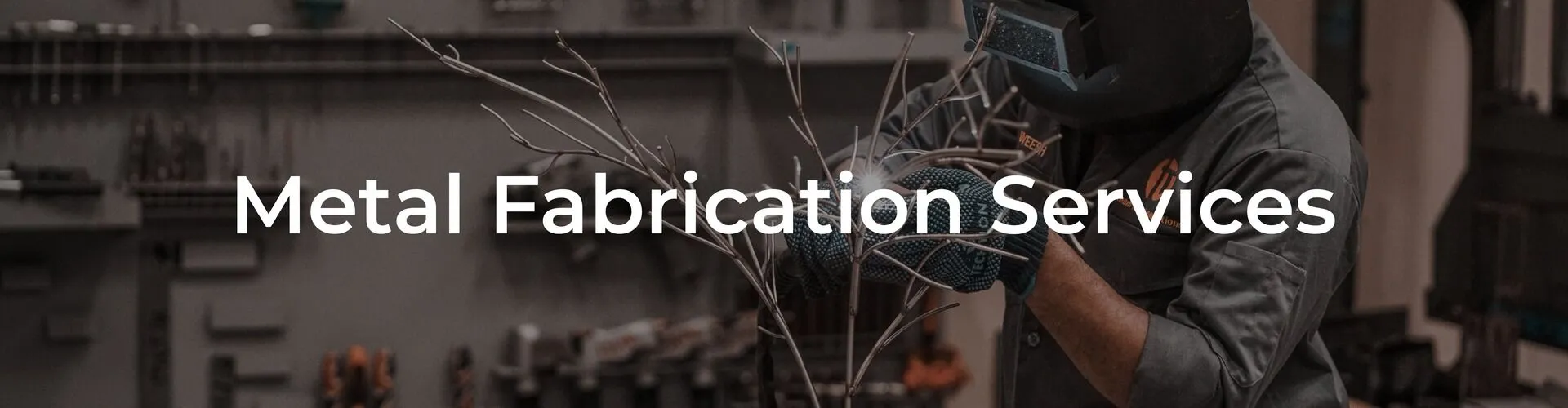
Metal fabrication is a world of powerful tools, hot flames, and heavy materials. It is a skilled trade that builds the bones of our world. But this work comes with real risks. To ensure everyone goes home unhurt, clear safety standards are in place.
These rules are not just paperwork. They are a shield, protecting workers from harm every single day.
Guarding against cuts and crushes:
Sharp metal edges and heavy pieces can cause serious injuries in metal fabrication companies. Safety standards demand that machines have guards. These physical barriers stop hands and fingers from touching moving parts like saw blades or press brakes. This simple step prevents deep cuts and even amputations, keeping workers’ hands safe.
Clear vision for safe work:
Fabrication creates tiny particles and fumes that float in the air. Breathing them in is dangerous. Safety rules entail the use of protective gear. Workers wear safety glasses to protect their eyes from flying debris. They also use respirators to keep harmful dust and smoke out of their lungs. This ensures the air workers breathe is clean and their vision is clear.
Stopping fires before they start:
Sparks from welding and grinding can easily ignite flammable materials. Standards create a clean and organized workspace. They specify where hot work can happen and how to store flammable liquids safely. Having fire extinguishers ready and within reach is also a key rule. This preparation helps stop a small spark from becoming a large fire.
Protecting hearing over time:
The noise in a fabrication shop can be very loud. Constant exposure can damage a worker’s hearing forever. Safety standards set limits on noise exposure. They want employers to provide hearing protection, like earplugs or earmuffs. Wearing this gear every day saves workers from permanent hearing loss.
Handling materials the right way:
Sheets of metal and finished pieces are extremely heavy. Lifting them the wrong way can cause back injuries. Standards teach and enforce safe lifting methods. They also mandate the use of equipment like cranes, forklifts, and hoists for moving heavy loads. This protects workers from muscle strains and more serious harm.
Knowing the plan in an emergency:
Even with the best prevention, accidents can happen. Safety standards involve a clear emergency plan. Everyone knows where to go and what to do if there is a fire or someone gets hurt. Clearly marked exits, well-stocked first aid kits, and practiced drills ensure the response is quick and effective, minimizing harm.